everything you need to know about Robin Bryant Ph.D.
Enhance Your Bond: The Ways Couples Counseling Can Transform Your Life Together
Couples therapy provides a dedicated space for couples to understand the complexities of their partnership. The process targets issues like breakdowns in communication and a lack of trust. Many couples find themselves facing challenges that seem insurmountable. Nevertheless, expert counseling can open doors to transformation. Learning about the methods used in these sessions can uncover fresh opportunities for deeper connection. As individuals address their distinct relationship difficulties, the opportunity for meaningful change grows clear. What new insights could they uncover about one another?
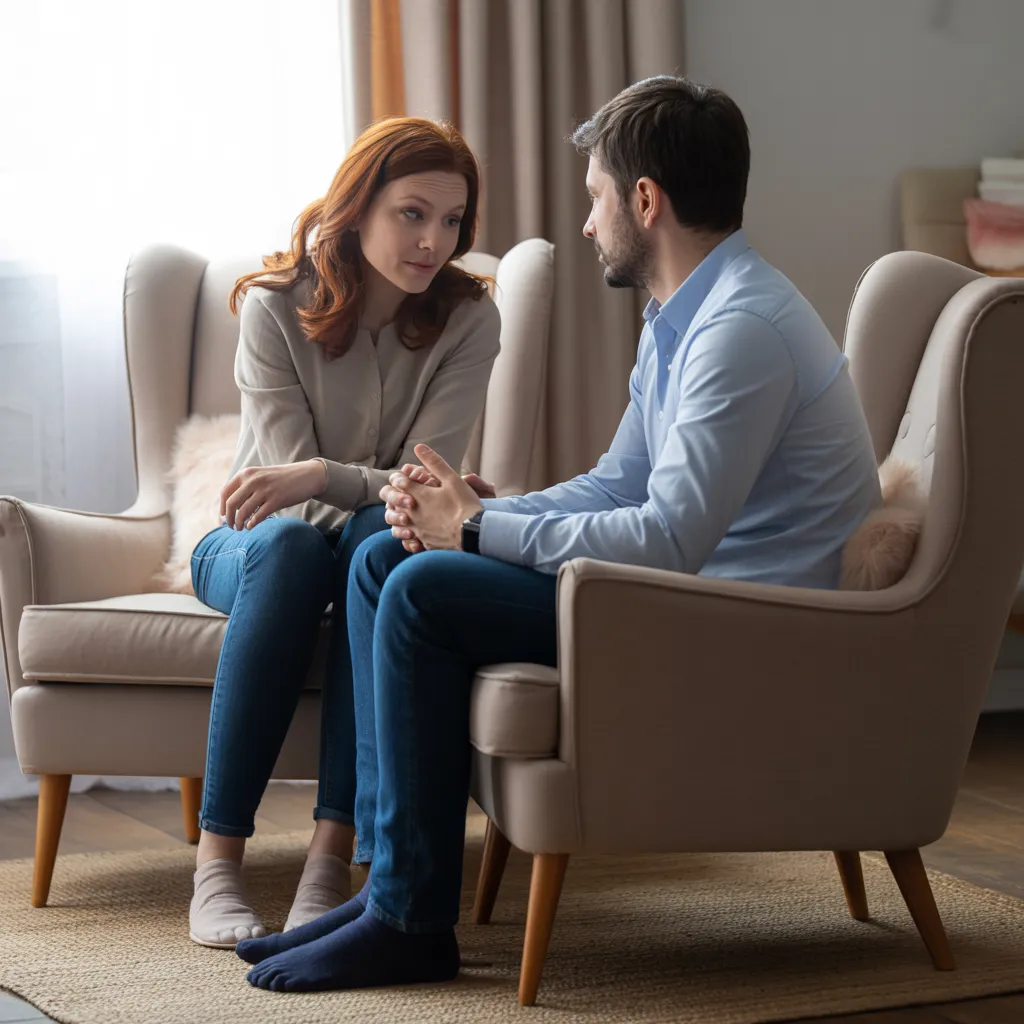
A Complete Guide to Understanding Couples Counseling
What aspects influence how well couples counseling functions? A number of components are essential to the success of this counseling process. First, the qualifications and knowledge of the counselor can substantially affect outcomes. A skilled therapist establishes a comfortable setting, encouraging open communication and trust between partners. Second, the readiness of both partners to commit to the process is essential; dedication to growth and personal transformation enhances progress. Next, the specificity of aims set at the beginning of counseling can shape appointments and evaluate improvement over time. Additionally, active participation in activities and conversations enables couples to examine their relationship patterns and develop healthier patterns. Finally, the timing of seeking help can affect results; confronting challenges sooner often leads to more positive outcomes. Understanding these factors gives couples the understanding required to maximize the benefits of counseling, ultimately strengthening their relationship.
Understanding Common Relationship Difficulties
Partners frequently encounter numerous challenges that put strain on their bond. Such struggles can present themselves differently, including communication breakdowns, conflicting values, and lingering disputes. Trust-related concerns affect numerous couples, which can stem from past experiences or unmet expectations. Furthermore, monetary pressures frequently create tension, resulting in conflicts over budgeting and financial priorities.
Another frequent struggle is finding balance between personal needs and those of the relationship, which can create feelings of resentment or neglect. Life changes, such as welcoming children or navigating professional transitions, may further complicate dynamics, requiring couples to adapt continuously.
Identifying these frequent struggles is the primary step toward addressing them efficiently. By acknowledging challenges, couples can collaborate to create solutions, enhancing their emotional bond and resilience in the partnership. This understanding is crucial for nurturing a stronger, more supportive partnership.
The Way Communication Influences Couples Counseling Results
Effective communication plays an essential role in the success of couples counseling. Techniques such as active listening, articulating feelings openly, and addressing disagreements productively can greatly influence relationship dynamics. Familiarizing oneself with these techniques helps couples work through their challenges more effectively, promoting stronger and more meaningful connections.
Effective Active Listening Methods
Active listening serves as a cornerstone in couples therapy, promoting greater understanding and connection between partners. This technique involves fully engaging with a partner's copyright, in both verbal and non-verbal ways. Therapists often encourage couples to maintain eye contact, nod affirmatively, and avoid interrupting. Echoing back what has been expressed can also clarify intentions and feelings, enabling a more nuanced conversation. Additionally, summarizing key points demonstrates attentiveness and validates the speaker's emotions. Through practicing these methods, couples can reduce misunderstandings and foster empathy, ultimately strengthening their emotional connection. examine this material Active listening reshapes communication, enabling partners to navigate conflicts more effectively and create a supportive environment for growth and healing in their relationship.
Conveying Emotions Efficiently
Articulating emotions with clarity plays a crucial role in determining the success of couples counseling. When partners communicate their feelings with precision, it fosters understanding and empathy, allowing both individuals to connect on a deeper level. This clarity strengthens the counseling journey, enabling the counselor to recognize deep-rooted concerns and behaviors. Additionally, sharing emotions serves to dissolve walls that have developed through the years, creating a protected setting for honest expression. By practicing effective emotional expression, couples learn to articulate their requirements and aspirations without falling back on accusations or resistance. As a result, this practice not only enriches the therapeutic journey but also arms both individuals with meaningful conversational abilities that can reinforce their connection long after treatment ends.
Resolving Conflicts Constructively
Clear communication not only facilitates the expression of emotions but also plays a significant role in resolving conflicts constructively. In couples counseling, effective dialogue enables partners to articulate their needs and grievances without escalating tensions. Through the use of active listening strategies, couples are able to gain a deeper understanding of each other's viewpoints, nurturing empathy and minimizing misunderstandings. Counselors often guide couples in using "I" statements, which help express feelings without placing blame. This method promotes a cooperative environment where resolutions can be sought rather than concentrating exclusively on the issue. Moreover, creating boundaries for discussions, such as pausing when emotions become intense, can support more constructive communication. In the end, productive conflict resolution reinforces relationships, opening the door to stronger bonds and shared respect.
Effective Techniques in Couples Counseling for Stronger Relationships
Building a solid base in couples counseling demands the incorporation of effective techniques that foster open communication and mutual understanding. An essential technique is active listening, where partners learn to fully engage with each other's perspectives without interruption. This promotes empathy and reduces defensiveness. Moreover, using "I" statements empowers individuals to communicate their emotions without blaming the other, creating a more constructive dialogue.
A further valuable method is the practice of routine check-ins, giving couples the opportunity to talk about their relationship in a proactive rather than reactive manner. This establishes a comfortable environment for expressing concerns and celebrating successes.
Role-playing scenarios can prove highly effective, as they enable partners to see things from each other's perspective and develop a deeper understanding of each other's experiences. By integrating these techniques, couples can strengthen their bond, resolve conflicts more effectively, and foster a greater sense of mutual awareness, which ultimately results in a healthier relationship.
How Couples Counseling Helps You Manage Life Changes
Couples commonly experience substantial shifts in life that can challenge their relationship foundations. Life events such as changing residences, employment shifts, or starting a family can introduce stress and instability. Relationship counseling provides a supportive setting for spouses to address these transitions collaboratively. Through structured discussions, spouses can express their emotions, clarify their needs, and build effective coping tools.
Counselors provide resources to improve communication, fostering an atmosphere of understanding and empathy. This assistance allows partners adjust to new roles and responsibilities while maintaining a meaningful relationship. By resolving core challenges, couples can prevent disagreements from growing into major confrontations.
Additionally, counseling encourages partners to view changes as opportunities for growth rather than sources of concern. As they develop skills to work together through difficulties, couples often find themselves more cohesive and adaptable. Ultimately, couples therapy acts as a vital support during periods of transition, enabling couples to flourish through transformation.
Reestablishing Trust Through Couples Counseling
When a violation of trust takes place in a relationship, the journey toward recovery can feel overwhelming, yet couples counseling provides a supportive framework for restoring that trust. In this space, couples can candidly address feelings of betrayal, discover root causes, and overcome communication obstacles. The relationship specialist acts as a balanced mediator, guiding both partners in expressing their emotions without judgment.
Via organized sessions, couples learn to identify patterns that contributed to the breach, promoting greater self-awareness and insight. This process encourages accountability, allowing individuals to take responsibility for their actions while working toward genuine forgiveness. Techniques such as active listening and empathy are emphasized, enabling couples to rebuild their emotional bond.
Fundamentally, couples counseling works to reestablish trust and further solidify the foundation of the relationship, providing partners with the skills to navigate future challenges. Such a forward-thinking strategy builds resilience, nurturing a stronger connection grounded in restored trust and shared respect.
Choosing the Ideal Couples Therapist for Your Path
Choosing the right couples counselor is vital for a effective therapeutic experience. Professional qualifications and experience are crucial in evaluating a counselor's effectiveness, while a compatible communication style can strengthen the bond between the therapist and the couple. Knowledge of these considerations can empower individuals to make the best decision for their relationship journey.
Qualifications and Experience Matter
Choosing the right couples advisor can significantly affect the outcome of treatment, as their qualifications and background are vital in guiding couples through struggles. When seeking a professional, people should seek out specialists with appropriate credentials, such as a graduate degree in social work or psychology, and focused education in couples treatment. Designations from respected bodies, like the American Association for Marriage and Family Therapy (AAMFT), can further validate a therapist's qualifications. Experience plays an equally vital role; counselors who have supported diverse couples can offer valuable insights customized for individual circumstances. By selecting a credentialed and experienced therapist, couples can cultivate a supportive environment, advancing their path to healing and relationship growth.
Compatibility in Communication Styles
Strong communication is fundamental for couples engaging in counseling, as it greatly influences the therapeutic process. Both partners contribute unique ways of communicating, which can either support or obstruct progress. When picking a couples therapist, compatibility in communication style becomes vital. A therapist who appreciates and responds to the couple's preferred modes of expression can foster a safe environment for open dialogue. Couples should reflect on whether they favor honesty, compassion, or a more organized method during sessions. This compatibility not only enhances comfort but also encourages vulnerability, enabling deeper exploration of issues. By emphasizing compatibility in communication, couples can maximize the benefits of counseling, leading to improved management of relationship challenges and improved relationship dynamics.
Frequently Asked Questions
How Much Time Does Couples Counseling Generally Require?
Relationship therapy typically lasts anywhere from six to twelve sessions, based on the unique needs and objectives of the couple. Each session usually lasts about 50 minutes, allowing for in-depth discussions and progress assessments throughout the process.
Can Couples Therapy Help Separated Partners?
Yes, couples counseling can work for individuals who have separated. It offers a structured environment to address outstanding problems, strengthen dialogue, and examine the option of reuniting, enabling both people develop a better understanding on their relationship's direction.
Does Couples Counseling Work for Non-Traditional Relationships?
Couples counseling proves beneficial for alternative relationship structures, as it creates a safe and welcoming environment to navigate complex relational dynamics, strengthen interpersonal dialogue, and address specific challenges, ultimately fostering understanding and connection among individuals involved irrespective of how the relationship is structured.
How Do I Know if We Need Counseling?
Indicators that counseling may be needed include persistent communication problems, frequent conflicts, emotional distance, or feelings of dissatisfaction. If partners are unable to resolve these challenges independently, obtaining professional support could promote growth and improvement in the connection.
What Can We Anticipate During Our First Session?
During their initial session, couples can anticipate a safe space to discuss concerns, an overview of their relationship dynamics, and guidance from the relationship counselor to define objectives for therapy, encouraging honest dialogue and mutual understanding.